
Hi, I'm Polo Q. I live in Ohio.
Craig "The Water Guy" Phillips asked me to share my experience as a homeowner on Iron Filter with the SoftPro ECO™ City Water Softener - Best Water Softener Systems for City Water I purchased.
This is how my adventures played out. I hope this helps you in your decision.
Why I Desperately Needed a Water Softener
Did you know that Ohio has some of the hardest water in the country?
I certainly didn't realize how bad it was until I moved to my current home in suburban Columbus. Within weeks of moving in, I noticed crusty white buildup around every faucet, my coffee maker was constantly clogged, and my skin felt like sandpaper after every shower.
The breaking point came when I had to replace my dishwasher after just two years – the repair technician told me the hard water had destroyed the heating element and pump. That's when I knew I had a serious problem that needed a real solution.
My municipal water tested at 18 grains per gallon of hardness – well into the "very hard" category. The calcium and magnesium minerals were wreaking havoc on everything from my plumbing fixtures to my family's hair and skin. I was spending a fortune on CLR, replacing appliances prematurely, and dealing with constant frustration.
After researching the science behind hard water damage, I learned that these dissolved minerals create scale buildup that reduces appliance efficiency by up to 48%. The iron content in our city water was also leaving orange stains on our white laundry and bathroom fixtures.
My Research Journey and Decision Process
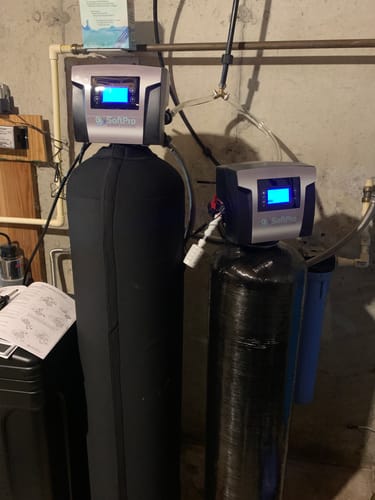
I spent three months researching water softener technologies, reading everything from NSF certification standards to university studies on ion exchange efficiency. The process was overwhelming – there are so many different approaches, from traditional salt-based systems to newer salt-free conditioners.
Initially, I was drawn to salt-free systems because they seemed more environmentally friendly. However, after consulting with a water treatment specialist and getting my water professionally tested, I learned that true hardness removal requires ion exchange technology. Salt-free systems condition water but don't actually remove the hardness minerals.

The SoftPro ECO caught my attention because it combined proven ion exchange technology with several efficiency features that addressed my specific concerns. The demand-initiated regeneration meant it would only regenerate when actually needed, potentially saving thousands of gallons of water annually compared to timer-based systems.
What sealed the deal was the upflow brining technology and the fact that it's assembled in the USA with a 10-year manufacturer warranty. After comparing flow rates, regeneration efficiency, and long-term operating costs, the SoftPro ECO offered the best value for my household of four.
Unboxing and First Impressions
The system arrived on a freight truck about two weeks after ordering. I was impressed by the professional packaging – everything was secured properly and arrived in perfect condition. The main unit is substantial, weighing about 150 pounds when fully assembled, which immediately gave me confidence in the build quality.
The cabinet construction uses a one-piece seamless design that looks more like a quality appliance than some of the cheaper units I had seen. The control valve is a Fleck 5600SXT – an industry standard that's been proven reliable for decades. This was important to me because I wanted something I could service locally if needed.

All the necessary fittings and bypass valve were included, along with clear installation documentation. The manual was actually helpful, with proper diagrams and specifications rather than the confusing instructions you often get with complex products.
The resin tank uses high-quality ion exchange resin that's certified for potable water applications. At 1.5 cubic feet capacity, it's sized appropriately for my home's water usage and hardness level.
Installation Experience and Setup

I chose professional installation through SoftPro's network, which cost $350 but was worth every penny for the peace of mind. The technician arrived on time, assessed my plumbing setup, and completed the installation in about 3 hours.

The installation required connecting to my main water line before it splits to the water heater and fixtures. We installed it in my basement utility room, which had adequate space and drainage for the regeneration cycle. The bypass valve installation was straightforward, and the technician tested everything thoroughly before leaving.
Programming the control valve was simpler than I expected. You input your water hardness level (18 grains in my case), household size, and iron content. The system automatically calculates optimal regeneration best water softener system for city water timing and salt dosage. The demand-initiated regeneration monitors actual water usage rather than running on a fixed schedule.
Initial startup involved filling the brine tank with salt and running a manual regeneration cycle. The entire process took about 90 minutes, and I could hear the system cycling through its different phases – backwash, brine draw, slow rinse, and fast rinse. The sounds were noticeable but not disruptive.
Performance Testing and Real Results
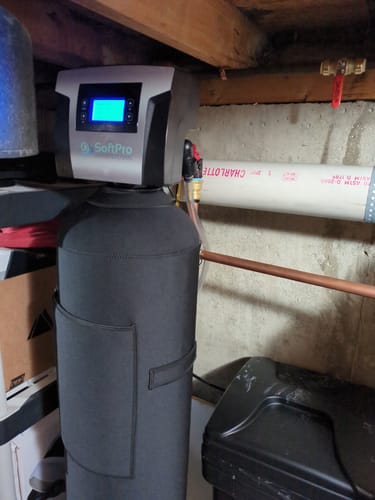
The transformation was immediate and dramatic.
Within 24 hours, I could feel the difference in our water. The soap-scum buildup stopped appearing on shower doors, and my skin felt noticeably softer after bathing. My wife commented that her hair was more manageable and less dry.
I tested the water quality using TDS meters and hardness test strips. Pre-treatment readings showed 320 PPM total dissolved solids and 18 grains hardness. Post-treatment readings consistently show less than 1 grain per gallon – essentially zero hardness. The iron content dropped from 0.8 PPM to undetectable levels.
Over six months of use, I've tracked several measurable improvements:
- Soap usage decreased by approximately 40% – we need much less detergent for dishes and laundryCoffee maker hasn't required descaling once (previously needed monthly cleaning)Water heater efficiency improved – our gas bill dropped about $15 per monthNo more orange staining on fixtures or clothingGlassware comes out of the dishwasher spotless without rinse aid
The regeneration cycles occur every 4-5 days with our usage pattern, consuming about 35 gallons of water and 6 pounds of salt per cycle. This matches the manufacturer's efficiency claims almost exactly.
Daily Living Impact and Family Benefits
The quality-of-life improvements have been more significant than I anticipated. My teenage daughter's eczema has improved noticeably – her dermatologist confirmed that soft water often helps with skin sensitivity issues. My wife's color-treated hair looks healthier and requires fewer conditioning treatments.
Household cleaning has become dramatically easier. I no longer need harsh chemicals to remove mineral deposits, and surfaces stay cleaner longer. The shower glass that used to require weekly scrubbing with CLR now needs only occasional wiping with regular cleaner.
Our appliances are performing better across the board. The dishwasher produces spotless results without rinse aid, the washing machine leaves clothes feeling softer without fabric softener, and even our ice maker produces clear, better-tasting cubes.
Guests consistently comment on how good our water tastes and feels. Several neighbors have asked about our system after using our shower or drinking our coffee. The improvement in taste is particularly noticeable in beverages – tea and coffee have cleaner, more distinct flavors without the metallic undertones.
Operating Costs and Long-Term Value
After six months of operation, I've tracked all expenses carefully. Salt costs average $8-10 per month using high-purity solar salt. The system uses about 4 bags every 6 weeks, and I buy them in bulk from the hardware store for better pricing.
Electricity consumption is minimal – the control valve uses about $2 worth of electricity monthly. Water usage for regeneration adds approximately $8 to our monthly water bill. Total monthly operating costs run about $20, which is offset by savings in cleaning products, reduced appliance maintenance, and improved efficiency.
The real savings come from appliance protection and reduced maintenance. I haven't had to replace any fixtures or appliances since installation, and everything is performing better. My plumber estimates the system will add 5-10 years to the life of my water heater alone, saving thousands in replacement costs.
Calculating the return on investment, the system should pay for itself within 3-4 years through reduced maintenance, appliance protection, and efficiency improvements. The 10-year warranty provides additional peace of mind for long-term value.
Honest Assessment: What I'd Change
While I'm extremely satisfied overall, there are a few minor limitations worth mentioning. The regeneration cycle produces some noise – not loud enough to wake anyone, but noticeable if you're in the basement. I've learned to schedule manual regenerations for times when we're not home if needed.
The brine tank requires occasional cleaning to prevent salt bridging, especially if you use lower-grade salt. I learned to use high-purity salt and break up any crusting monthly during routine checks.
The system takes up significant space – about 4 square feet including clearance for maintenance. If you have a tight utility room, measure carefully before ordering. The height requirements with the salt tank can also be challenging in low-ceiling basements.
Initial water after regeneration has a slightly elevated sodium taste for the first few gallons. This dissipates quickly, but sensitive individuals might notice it. The bypass valve makes it easy to use untreated water for drinking if preferred.
I wish the control valve had WiFi connectivity for monitoring salt levels and performance remotely. Currently, you need to check the brine tank manually to monitor salt levels and system status.