
Hi, I'm Randy W.. I live in Wisconsin.
Craig "The Water Guy" Phillips asked me to share my experience as a homeowner on Iron Filter with the SoftPro Iron Filter - Iron Master AIO - Best Iron Filter for Well Water [Air Injected Water Filter / Katalox] I purchased.
This is how my adventures played out. I hope this helps you in your decision.
My Iron Water Problem Was Getting Out of Hand
Did you know that iron contamination affects over 25% of well water systems across the United States?
I certainly didn't realize how widespread this issue was until I found myself dealing with it firsthand. Living here in Wisconsin, I thought having a private well was one of the perks of rural life – fresh, clean water straight from the ground. Boy, was I in for a surprise.
The problem started subtly. At first, I noticed occasional reddish stains in our white porcelain sink. I figured it was just mineral deposits and scrubbed them away without much thought. But within a few months, those stains became a daily occurrence. My wife started complaining about our white laundry coming out with orange tints, and honestly, I was getting frustrated too.
The real wake-up call came when I filled a clear glass with water from our kitchen tap. What should have been crystal clear water had a noticeable yellowish tint. When I let it sit for a few minutes, I could actually see tiny particles settling at the bottom. That's when I knew we had a serious iron problem.
Our well water tested at 8.2 parts per million (PPM) of iron – nearly three times higher than the EPA's recommended maximum of 0.3 PPM. The metallic taste was becoming unbearable, especially in our morning coffee. My daughter refused to drink the water altogether, and we found ourselves buying bottled water for drinking and cooking.
Beyond the taste and appearance issues, the iron was wreaking havoc on our plumbing system. Our toilet bowls developed persistent rust-colored stains that seemed impossible to clean. The dishwasher left spots on everything, and our coffee maker was building up mineral deposits so quickly that I was descaling it weekly instead of monthly.
Research Phase - Learning About Iron Filtration Technologies
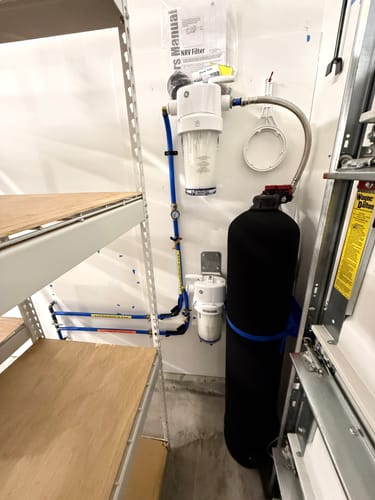
Once I identified iron as the culprit, I dove deep into research mode. I spent weeks learning about different iron removal technologies, and let me tell you, the options were overwhelming at first.
I discovered that iron in well water typically exists in two forms: ferrous iron (dissolved iron that you can't see) and ferric iron (oxidized iron that creates visible particles). Our water had both types, which explained why some days the water looked clear initially but developed that rusty color after sitting exposed to air.
During my research, I explored several iron removal methods:
Traditional sediment filters seemed like the most affordable option initially, but I quickly learned they only capture ferric iron particles and don't address the dissolved ferrous iron that makes up most of our contamination. Plus, these filters require frequent replacement and don't handle high iron concentrations effectively.
Water softeners came up frequently in my research, but I discovered they're really designed for hardness minerals like calcium and magnesium. While some can remove small amounts of iron, they're not effective for concentrations above 3-4 PPM, and our 8.2 PPM level was way beyond their capabilities.
Chemical injection systems appeared promising but seemed overly complicated for a DIY homeowner like myself. The thought of storing and handling chemicals, plus the ongoing maintenance requirements, made me hesitant about this approach.
Then I discovered air injection systems, specifically the catalytic media technology used in the Iron Master filter. This approach made the most sense for our situation. The system injects air to oxidize ferrous iron into ferric iron, then filters out the particles using specialized catalytic media. No chemicals required, and it handles high iron concentrations effectively.
What really sold me on the Iron Master was its use of Katalox media. Unlike traditional filter media that simply trap particles, Katalox actually catalyzes the oxidation process, making iron removal more efficient and reducing maintenance requirements.
Why I Chose the Iron Master Filter
After comparing dozens of systems, several factors made the Iron Master stand out from the competition.
First, the air injection technology addressed both types of iron in our water without requiring chemical additives. As someone who prefers simpler solutions, the idea of letting natural oxidation do the heavy lifting appealed to me. The system injects air into the water stream, converts dissolved iron into particles, then filters everything out using the specialized Katalox media.
The flow rate specification was crucial for our household. With a family of four, we needed consistent water pressure during peak usage times. The Iron Master's 12 GPM flow rate meant we could run the dishwasher, take a shower, and still have adequate pressure at other fixtures.
Size and installation requirements fit perfectly with our utility room layout. At 54 inches tall and 13 inches in diameter, the system fit comfortably in the space between our pressure tank and water heater. The 1-inch inlet and outlet connections matched our existing plumbing, which would simplify installation.
The backwash cycle feature impressed me during my research. Every three days, the system automatically flushes accumulated iron particles down the drain, essentially cleaning itself. This meant I wouldn't need to replace filter cartridges constantly or perform complicated maintenance procedures.
Katalox media longevity was another deciding factor. Unlike traditional filter media that needs replacement annually, Katalox can last 5-7 years with proper maintenance. Given our high iron concentration, this translates to significant long-term savings.
Finally, the NSF certification provided peace of mind about water safety and system reliability. Knowing that independent testing validated the manufacturer's performance claims made me confident in the investment.
Unboxing and Initial Setup Experience

The Iron Master arrived within a week of ordering, packaged securely in a large cardboard box with plenty of protective foam. I was immediately impressed by the build quality – the fiberglass tank felt solid and substantial, not like some of the cheaper plastic alternatives I'd seen.
Inside the box, everything was organized methodically. The control valve came pre-mounted on the tank, which saved installation time and ensured proper alignment. All the necessary fittings, bypass valve components, and installation hardware were included, along with a comprehensive installation manual.
The control valve itself looked more sophisticated than I expected. The digital display was clear and easy to read, with intuitive programming buttons. The bypass valve assembly was well-machined brass – definitely not the cheap plastic fittings you sometimes get with budget systems.
One thing that caught my attention was the weight of the complete system. At nearly 200 pounds when filled with media and water, this wasn't going anywhere once installed. I appreciated the substantial feel, as it indicated quality construction throughout.
The installation manual deserves special mention. Instead of generic instructions, it included specific guidance for different plumbing configurations, electrical requirements, and troubleshooting common issues. Clear diagrams showed exactly how to connect everything, and the sequence of installation steps was logical and easy to follow.
Installation Process and First Impressions
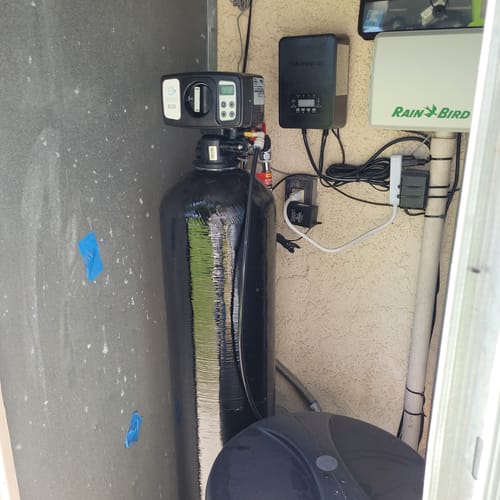
I decided to tackle the installation myself, having done some plumbing work previously. The entire process took about 6 hours, including time to carefully read instructions and make a few trips to the hardware store for additional fittings.
The most time-consuming part was installing the bypass valve assembly. This required cutting into the main water line and installing tee fittings to route water through the filter system. I used SharkBite fittings for most connections, which made the job much easier than traditional soldering.
Positioning the system required some planning. The Iron Master needs adequate clearance around the control valve for programming and maintenance access. I also had to ensure the drain line could reach our utility sink for backwash discharge. Measuring twice and cutting once definitely applied here.
Electrical connection was straightforward – just plugging the control valve into a standard 110V outlet. The system draws minimal power, primarily for the control valve timer and occasional air compressor operation.
Initial startup involved several steps: filling best iron filter for well water the tank, programming the control valve, and running the first backwash cycle. The programming interface was intuitive, allowing me to set backwash frequency, time of day for regeneration, and flow rate parameters based on our household size.
The first backwash cycle was quite a sight. Rusty, iron-laden water flowed out the drain line for about 15 minutes as the system flushed out initial media dust and began its filtering process. This was exactly what the manual predicted, so I wasn't concerned.
After the initial backwash completed, I turned on a kitchen faucet and waited. The first few gallons still had a slight discoloration, but within minutes, clear water was flowing consistently. The difference was immediately noticeable – no metallic taste, no visible particles, just clean-looking water.
Real-World Performance and Daily Results
Six months into ownership, I can honestly say the Iron Master has exceeded my expectations in almost every measurable way.
Water quality improvement was dramatic and immediate. Our iron levels dropped from 8.2 PPM to less than 0.1 PPM within the first week of operation. I had our water tested professionally after 30 days to confirm these results, and the lab report showed iron levels well within EPA recommendations.
The most noticeable daily improvement was in water appearance and taste. That metallic flavor that had made our coffee undrinkable completely disappeared. My wife no longer complains about cooking with the water, and our daughter happily drinks from the tap again.
Laundry results improved dramatically. White clothes stay white, and we no longer pre-treat iron stains before washing. Our washing machine's interior, which had developed orange staining, gradually cleaned itself over several months of iron-free water.
Bathroom fixtures require significantly less cleaning now. Those persistent rust stains in toilet bowls and shower areas have become a thing of the past. I estimate we're saving 2-3 hours weekly on cleaning chores alone.
Kitchen appliances are performing better too. Our dishwasher produces spot-free dishes without rinse aid additives. The coffee maker hasn't required descaling in months, and ice cubes from the refrigerator are crystal clear instead of cloudy.
Flow rate and water pressure remained excellent throughout our testing period. Even during peak usage times – simultaneous shower, dishwasher, and washing machine operation – we maintain adequate pressure at all fixtures. The system's 12 GPM capacity handles our family's demands without any noticeable restrictions.
Seasonal performance has been consistent. Wisconsin's harsh winter temperatures didn't affect system operation, and hot summer months when our water usage peaks haven't created any performance issues.
Maintenance Requirements and Operating Costs
One of my biggest concerns before purchase was ongoing maintenance complexity, but the Iron Master has proven remarkably low-maintenance over our six months of use.
The automatic backwash cycle handles most maintenance automatically. Every three days, the system flushes accumulated iron particles down the drain during a programmed backwash sequence. This typically happens at 2 AM, so we never notice the process. Each backwash uses approximately 80 gallons of water and takes about 20 minutes to complete.
Monthly maintenance consists mainly of checking the control valve display for error codes and ensuring the drain line remains clear. I also test our water periodically using iron test strips to monitor system performance. These tests consistently show iron levels below 0.1 PPM.
Quarterly tasks include inspecting the bypass valve for leaks and checking all connections for tightness. Wisconsin's freeze-thaw cycles can affect plumbing connections, but everything has remained secure throughout our first winter.
The air injection system requires minimal attention. The small air compressor operates automatically when needed, and I haven't experienced any mechanical issues. The air release valve occasionally needs adjustment, but this takes just a few minutes.
Operating costs are reasonable for the water quality improvement we're achieving. Electrical consumption is minimal – I estimate about $3-4 monthly in additional electricity costs. Water usage for backwashing adds approximately $8-10 monthly to our utility bill, depending on seasonal usage patterns.
The biggest ongoing expense will be eventual Katalox media replacement, but this won't be necessary for several years. At current pricing, I estimate about $200 for media replacement every 5-7 years, which works out to roughly $2-3 monthly when amortized.
Compared to our previous bottled water purchases and increased appliance maintenance costs from iron damage, the Iron Master is saving us money overall. We were spending $40-50 monthly on bottled water alone, plus additional costs for cleaning supplies and appliance repairs.
Final Thoughts and Recommendation
After six months of real-world use, I can confidently recommend the Iron Master filter to anyone dealing with iron contamination in their well water.
Is the Iron Master filter worth the investment?
Absolutely, especially if you're dealing with moderate to high iron iron water filtration levels like we were. The dramatic improvement in water quality, combined with reduced maintenance on household appliances and elimination of bottled water purchases, makes this system pay for itself within the first year.
The installation process, while requiring some plumbing knowledge, is manageable for most DIY homeowners. Having basic tools and taking time to plan the installation carefully will ensure success. If you're not comfortable with plumbing work, hiring a local installer adds cost but guarantees proper setup.
System reliability has been excellent throughout our ownership period. The automatic backwash cycles keep maintenance simple, and the digital control valve provides clear feedback about system status. We haven't experienced any mechanical problems or service interruptions.
Performance consistency impresses me most about this system. Water quality remains excellent regardless of seasonal variations, usage patterns, or time since the last backwash cycle. The Katalox media handles our high iron concentration without any breakthrough or performance degradation.
For households with iron levels above 3-4 PPM, the Iron Master offers a practical, chemical-free solution that delivers professional-grade results. The initial investment is substantial, but the long-term value proposition makes sense when you factor in improved appliance longevity, reduced cleaning time, and elimination of bottled water costs.
If I were purchasing again, I'd make the same choice without hesitation. The Iron Master has transformed our water quality and made daily life more convenient in ways I didn't anticipate when we started this journey.
For Wisconsin homeowners or anyone dealing with similar iron contamination issues, this system delivers on its promises and continues performing reliably month after month.