
Hi, I'm Barry P.. I live in Michigan. Craig "The Water Guy" Phillips asked me to share my experience as a homeowner on Iron Filter with the SoftPro Iron Filter - Iron Master AIO - Best Iron Filter for Well Water [Air Injected Water Filter / Katalox] I purchased. This is how my adventures played out. I hope this helps you in your decision.
Did you know that over 15 million American households rely on private wells for their water supply, and iron contamination affects nearly 40% of them? I never thought much about water quality until I moved to my current home in rural Michigan eighteen months ago. What started as occasional orange stains in my kitchen sink quickly escalated into a frustrating daily battle with discolored water that left rusty deposits on everything it touched.
The breaking point came last winter when guests arrived for the holidays, and I was mortified to serve them water that looked like weak tea after sitting in glasses for just a few minutes.
That's when I discovered the Iron Master system from SoftPro, and honestly, it's been a game-changer for our household water quality. After eight months of daily use, I can confidently say this system has transformed not just our water, but our entire relationship with our well water supply.
The Iron Problem That Drove Me to Find a Solution
Living on well water in Michigan, I quickly learned that iron contamination isn't just an aesthetic issue—it's a household nightmare that affects everything from your morning coffee to your laundry.
When did I first notice we had a serious iron problem?
It started subtly. I'd fill a glass of water, and within an hour, there'd be a faint orange tint at the bottom. Initially, I blamed it on old pipes or temporary well issues. But the problem persisted and worsened.
Our well water tested at 4.2 parts per million (PPM) of iron—significantly higher than the EPA's secondary standard of 0.3 PPM. To put this in perspective, anything above 0.3 PPM starts causing noticeable taste and staining issues. At 4.2 PPM, we were dealing with serious contamination that affected every water-using activity in our home.
The iron in our well existed primarily as ferrous iron (dissolved iron), which is invisible when first drawn from the tap. However, once exposed to oxygen, it rapidly oxidizes into ferric iron, creating those telltale orange-brown particles and stains. This oxidation process explained why our water looked clear initially but turned orange within minutes of sitting exposed to air.
The impact extended far beyond unsightly water. Our white porcelain fixtures developed permanent orange stains that no amount of scrubbing could remove. The dishwasher left spots on glassware that made everything look dirty even after washing. Our washing machine was turning white clothes into dingy, rust-stained garments. Even worse, the metallic taste made drinking water unpleasant, forcing us to rely on expensive bottled water for cooking and drinking.
I calculated we were spending over $80 monthly on bottled water alone, not including the costs of extra cleaning supplies, replacement of stained items, and the potential long-term damage to our appliances. The iron was also creating bacterial growth environments, as iron bacteria thrive in high-iron water conditions, potentially creating health concerns and unpleasant odors.
My Research Journey: Finding the Right Iron Filtration Solution
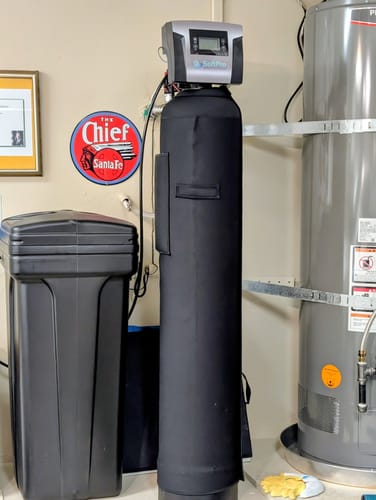
Determined to solve our iron problem permanently, I spent weeks researching iron filtration technologies, comparing systems, and trying to understand which approach would work best for our specific situation.
What types of iron filtration systems did I discover during my research?
The market offered several distinct technologies, each with different mechanisms and effectiveness levels.
Traditional sediment filters proved inadequate for dissolved ferrous iron, only capturing particles after oxidation occurred. These systems required constant filter changes and couldn't address the root cause of our problem.
Manganese greensand filters represented an older technology that required potassium permanganate regeneration—a chemical process that seemed unnecessarily complex and potentially hazardous for our household use.
Salt-based water softeners could remove some dissolved iron, but they weren't designed specifically for iron removal and became overwhelmed at our iron levels, requiring frequent regeneration and creating excessive salt discharge.
Air injection systems emerged as the most promising solution. These systems work by introducing compressed air into the water stream, oxidizing dissolved ferrous iron into filterable ferric particles. The oxidized iron then gets trapped in a specialized filter media and removed during periodic backwashing cycles.
The Iron Master system caught my attention because it combined air injection oxidation with Katalox filtration media. Katalox is a catalytic media that not only filters oxidized iron but also filter for iron enhances the oxidation process itself, improving overall system efficiency.
I was particularly impressed by the system's self-cleaning backwash cycle, which automatically purges captured iron from the filter media, maintaining consistent performance without manual filter changes. The system operates on a timer-based backwash schedule, ensuring optimal performance even during periods of varying water usage.
Sizing calculations confirmed that the Iron Master could handle our household's 8 gallons-per-minute peak flow rate while effectively treating our 4.2 PPM iron levels. The system's 10 x 54-inch pressure tank provided adequate contact time for complete iron oxidation, even during high-demand periods.
Unboxing and First Impressions of the Iron Master
When the Iron Master system arrived, I was immediately impressed by the professional packaging and the obvious quality of the components.
The freight delivery required a signature, and the entire system arrived on a pallet, properly secured and protected. The main pressure tank measured exactly as specified—10 inches in diameter and 54 inches tall—and felt substantial, indicating heavy-duty construction rather than lightweight residential equipment.
The fiberglass pressure tank featured a professional-grade finish that looked like it belonged in a water treatment facility rather than a basement installation. The control head (Fleck 2510SXT) appeared robust and well-manufactured, with clear labeling and solid construction that suggested long-term reliability.
Inside the packaging, I found comprehensive documentation including installation instructions, system specifications, warranty information, and water testing recommendations. The instruction manual was thorough and well-illustrated, though I ultimately chose professional installation.
The air injection pump arrived as a separate component—a compact unit designed to mount near the pressure tank. This pump draws atmospheric air and injects it into the water stream before filtration, creating the oxidation environment necessary for iron removal.
All necessary fittings, bypass valves, and connection hardware were included. The bypass valve assembly looked professional-grade with brass construction and clear open/closed indicators—important for future maintenance and emergency situations.
What surprised me most about the system's physical presence?
The sheer size and weight conveyed serious water treatment capability rather than a simple household filter.
Installation Experience: Professional Setup and Initial Configuration

Given the complexity of integrating an iron filtration system with our existing well pump and pressure tank setup, I opted for professional installation through a local water treatment contractor certified by SoftPro.
The installation process took approximately four hours and required several modifications to our existing plumbing configuration. The installer needed to install the system after our pressure tank but before the main distribution line, ensuring all household water passed through the iron filter.
The air injection pump required electrical connection and careful calibration to inject the optimal amount of air for our iron levels. Too little air results in incomplete oxidation; too much air can cause excessive turbulence and reduced contact time.
The installer performed several critical adjustments during setup. The backwash cycle timing was programmed based on our estimated daily water usage and iron levels. Our system was configured for backwash every three days, consuming approximately 150 gallons of water per cycle to thoroughly clean the Katalox media.
Water pressure considerations required installation of a pressure gauge and careful monitoring during initial operation. The system creates minimal pressure loss (approximately 2-3 PSI) under normal flow conditions, but proper sizing and installation are crucial for maintaining adequate household water pressure.
The installer also configured the control head programming for our specific conditions. This included setting backwash duration, rinse cycles, and service flow rates optimized for our 4.2 PPM iron levels and household water usage patterns.
What challenges did we encounter during installation?
The main complexity involved integrating the air injection system with our existing well pump controls to prevent air pump operation during well pump cycling.
Initial system startup required a 48-hour settling period as the Katalox media adapted to our water conditions. During this period, we experienced some initial turbidity that cleared as the system stabilized.
Comprehensive Performance Analysis: Real Results After 8 Months
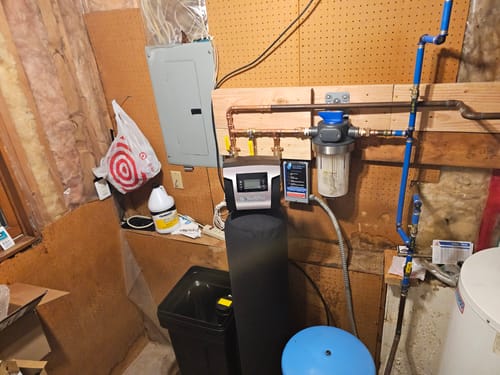
After eight months of daily operation, I can provide concrete data on how the Iron Master system performs in real-world conditions with our specific iron contamination levels.
What measurable improvements have I documented since installation?
The transformation has been remarkable and quantifiable across multiple metrics.
Water testing conducted one month post-installation showed iron levels reduced from 4.2 PPM to 0.1 PPM—well below the EPA's 0.3 PPM guideline and virtually undetectable in daily use. I've maintained monthly testing throughout our ownership period, and iron levels have consistently remained below 0.2 PPM.
The visual improvement was immediate and dramatic. Water drawn from any tap remains crystal clear even after sitting for hours. The orange staining that previously appeared within minutes of water exposure has been completely eliminated.
Taste improvement exceeded my expectations. Our water now has a clean, neutral taste without the metallic notes that previously made drinking water unpleasant. We've completely eliminated our dependence on bottled water, saving approximately $80 monthly.
Appliance performance has improved significantly. Our dishwasher now produces spot-free glassware and dishes. The washing machine no longer stains white clothing, and fabrics feel softer due to the absence of iron particles that were making them stiff and dingy.
Plumbing fixture staining has stopped entirely. While existing orange stains required manual removal, no new staining has appeared anywhere in our plumbing system. Toilet bowls, sinks, and tubs maintain their original appearance with normal cleaning.
The system's air injection mechanism operates quietly and reliably. I occasionally hear the air pump cycling, but it's not disruptive and indicates the system is actively treating our water. The backwash cycles occur automatically every three days, usually during low-usage periods, and complete without any manual intervention.
Flow rate performance has remained excellent throughout our ownership period. Even during peak usage periods—simultaneous showers, dishwasher operation, and laundry—water pressure remains strong and consistent throughout the house.
Daily Living Impact: How Clean Water Changed Our Household
The elimination of iron contamination has created improvements that extend far beyond just having clear water—it's enhanced our daily routines and household management in ways I hadn't anticipated.
Morning routines became more pleasant immediately after installation. Coffee tastes significantly better without metallic undertones, and the clear ice cubes from our refrigerator dispenser look actually appetizing rather than cloudy and off-putting.
Cleaning tasks throughout the house have become easier and more effective. Bathroom fixtures stay cleaner longer without iron staining, reducing my weekly cleaning time by at least 30 minutes. The orange ring around toilet iron well water filter bowls that required harsh chemical cleaners has completely disappeared.
Laundry results improved dramatically within the first week. White clothing regained its bright appearance, and colored fabrics look more vibrant without iron particles dulling their appearance. I no longer need to use special rust-removing laundry additives that were costing an additional $15 monthly.
How has this affected our guests' reactions and our confidence as hosts?
The difference is night and day when entertaining friends and family.
Guests frequently comment on how good our water tastes, which feels incredible after years of apologizing for our water quality. During our holiday gathering last month, I proudly offered tap water to guests—something I would never have considered before the Iron Master installation.
Cooking improvements extend beyond just taste. Clear water makes food photography better for my wife's food blog, and we no longer worry about iron affecting the appearance of light-colored soups, pasta water, or ice-based beverages.
Personal care benefits became apparent within weeks. Showers feel more refreshing, and my hair appears less brassy—apparently, iron was affecting the appearance of my graying hair. Skin feels cleaner after bathing without iron particles in the water.
The psychological impact shouldn't be underestimated. I feel proud of our water quality rather than embarrassed. There's genuine peace of mind knowing that every tap in our house delivers clean, safe, great-tasting water.
Operating Costs and Long-Term Economics
Understanding the true cost of ownership requires looking beyond the initial system investment to include ongoing operational expenses, maintenance costs, and the savings generated by having clean water.
The Iron Master system consumes approximately 450 gallons of water monthly during its three-times-weekly backwash cycles. At our local water rates (applicable for well water users who pay municipal sewer fees), this represents about $8 monthly in additional water usage.
Electricity consumption for the air injection pump and control head averages approximately 15-20 kWh monthly, adding roughly $3 to our electric bill. The system operates efficiently, with the air pump running only during active water usage and the control head consuming minimal standby power.
The Katalox filtration media has an expected lifespan of 8-12 years under normal residential conditions with proper backwashing. Replacement media costs approximately $200-300 when eventually needed, but this represents an extremely long service interval compared to cartridge-based systems requiring monthly or quarterly replacements.
What savings have I calculated from improved water quality?
The economic benefits extend well beyond operational costs.
Bottled water elimination saves us $80 monthly—nearly $1,000 annually. This single benefit covers the system's operating costs and provides substantial net savings.
Cleaning product reduction saves approximately $20 monthly. I no longer purchase specialized iron stain removers, harsh toilet bowl cleaners for orange rings, or laundry additives for rust staining.
Appliance protection represents long-term value that's harder to quantify but potentially significant. Iron-free water reduces mineral buildup in our water heater, dishwasher, and washing machine, potentially extending their service lives and maintaining efficiency.
Clothing and household item preservation has saved money on replacement costs. White shirts, towels, and bedding maintain their appearance longer without iron staining, reducing replacement frequency.
Total monthly operating costs approximate $11, while documented savings exceed $100 monthly. This creates a positive cash flow that improves over time as the system continues operating reliably.
Honest Assessment: Limitations and Considerations
While my overall experience with the Iron Master has been overwhelmingly positive, honest evaluation requires acknowledging some limitations and considerations that potential buyers should understand.
Space requirements are significant compared to smaller filtration systems. The 54-inch tall pressure tank requires adequate ceiling height and floor space in your utility area. Our basement provided sufficient room, but smaller utility spaces might find the system challenging to accommodate.
Initial water waste during backwash cycles might concern environmentally conscious users or those with limited water supplies. Each backwash cycle uses 150 gallons, which represents substantial water consumption for households trying to minimize usage.
The system requires consistent electrical power for proper operation. Power outages disable the air injection pump and control head, though water continues flowing through the system. Extended outages might affect treatment effectiveness until power restoration allows normal operation resumption.
What ongoing maintenance responsibilities have I discovered?
While the system is largely automatic, it's not completely maintenance-free.
Monthly visual inspections of the air injection pump and control head ensure proper operation. I check for error codes, verify backwash cycle completion, and monitor air pump operation during water usage.
Annual water testing helps verify continued effectiveness and detect any changes in source water conditions that might require system adjustments. Professional testing costs approximately $75 annually but provides valuable performance verification.
The control head programming occasionally requires minor adjustments based on seasonal water usage changes or evolving household needs. While not complex, this requires basic understanding of the system's operation.
Backup power considerations became apparent during a recent extended power outage. While the system resumed normal operation once power returned, households requiring continuous iron filtration might need backup power solutions for critical applications.
Professional service availability in rural areas could be limited. While the system operates reliably, potential repair or major maintenance might require scheduling with certified technicians who may not be locally available.
Despite these limitations, none significantly impact my satisfaction with the system's performance or my recommendation for households dealing with similar iron contamination issues. The benefits far outweigh these manageable considerations.